
Car shipping from Chicago, IL to San Francisco, CA

Last updated: June 2026

Mike De Candia
Certified by:
Mike De Candia
Mike started working for SAKAEM in 2012 and has been successfully transporting cars ever since.

Pete Bottino
Sakaem is operated by:
Pete Bottino
Pete has been in the transportation industry for nearly 40 years and launched SAKAEM back in 2012.
The SAKAEM Price Match

We guarantee to match any price you find. We are experts at finding the best price for your shipment and getting the best value for your money.

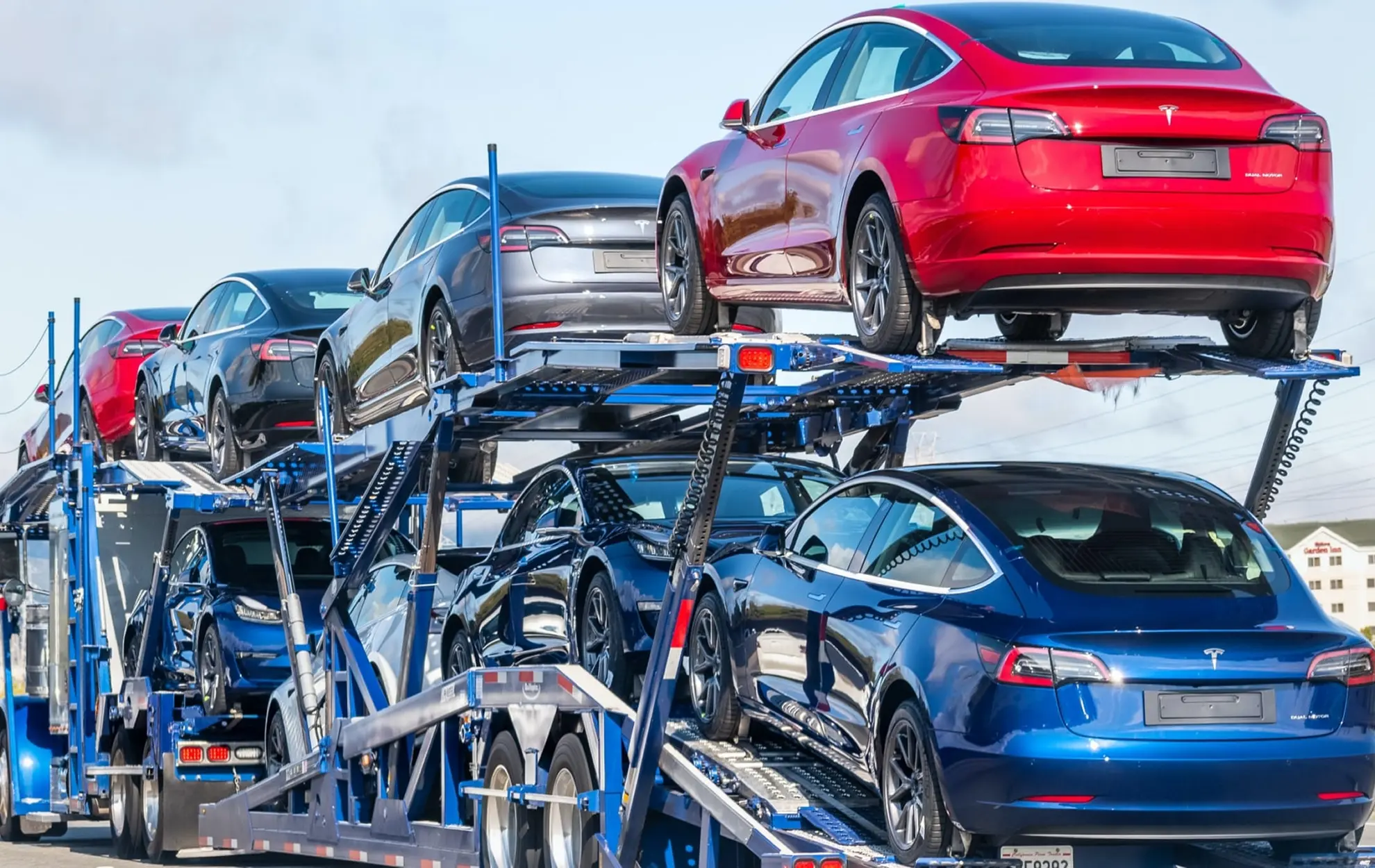
CHICAGO TO SAN FRANCISCO

Auto Transport from Chicago to San Francisco

Shipping your car from Chicago, IL to San Francisco, CA doesn't have to break the bank. This comprehensive guide covers everything you need to know about auto transport across this popular cross-country route—from accurate pricing estimates and transit times to choosing between open and enclosed transport options. Let's help you make an informed decision for your vehicle's journey west.

Average Distance, Time
and Cost

AVG DISTANCE
2,128 mi
AVG TRANSIT TIME
3-7 days
AVG COST
$1075 - $1275
REAL-TIME PRICING DATA

Recent Chicago, IL to San Francisco, CA Shipments

Actual car shipping prices from the last 30 days for routes between Chicago, IL and San Francisco, CA. These represent real customer shipments handled by Sakaem Logistics' verified carrier network.

Live Pricing from Completed Routes Updated: June 2026
Origin Destination Total Cost Trailer Vehicle
Prospect Heights, IL Pacifica, CA 1000 Open SUV
Des Plaines, IL Fremont, CA 900 Open SUV
Chicago, IL Sf, CA 925 Open SUV
Prospect Heights, IL Pacifica, CA 975 Open SUV
Gary, IN San Francisco, CA 1175 Open SUV
Aurora, IL San Francisco, CA 800 Open Car
Chicago, IL Petaluma, CA 975 Open SUV
Chicago, IL San Francisco, CA 875 Open Car
Naperville, IL Fremont, CA 900 Open Car
CHICAGO, IL TO SAN FRANCISCO, CA CAR SHIPPING

Key Takeaways From This Article

TESTIMONIALS

What SAKAEM's Customers are Saying

Google logo
Sakaem Logistics transported my son's Acura from Los Angeles, CA to Waco, Texas in 5 days. Tim, who drove the transport was professional and courteous and kept communications prior to pickup and close to delivery time. Everything went smoothly with no issues. Price was competitive with other firms. I will use Sakaem again and highly recommend them for your transport needs.
Joon Lee
Aug 2022
Google logo
Great experience working with Sakaem, I hired them to transport my son's vehicle from Chicago to Air Force base in Mississippi, vehicle was delivered as expected, driver was flexible with drop off location since he was not able to access into military base. So he arranged with my son to deliver at an outside location. Would work again with Sakaem Logistic in future.
alvaro lopez
Jul 2025
Google logo
I had to move my daughter's car last minute from CA to MI. I thought this would be hard, but Matt made it so easy and stress free! Thank you so much for getting this done so quickly! My car was picked up the next day and delivered safely to my daughter. I HIGHLY recommend this company if ever transporting your car!
Theresa Owens
Jul 2022
WHY CHOOSE SAKAEM?

Let us handle shipping your car from Chicago to San Francisco

EXPERIENCE

Trust the experts with your car relocation. Years of experience mean your vehicle is well taken care of. A strong track record of safety and service lets you relax, knowing your car is in good hands.

TRANSPARENCY

Understand what your quote includes and the quality you're paying for when shipping with a reputable carrier. Fair and transparent pricing lets you confidently book your car transport.

AFFORDABILITY

There are no upfront costs when booking. Don't pay for your service until you receive it. Book your shipment and pay your deposit when the truck is dispatched for pickup.

PERSONALIZED

Have a team ready to assist you with a smooth shipping process. Our team aims to customize your booking to fit your individual needs while addressing your questions and concerns.

COMPREHENSIVE

Enjoy one point of contact from start to finish for a hassle-free shipping process. Your dedicated advisor will expertly guide you through each step for easy auto transport.

INSURED

All carriers are vetted through FMCSA for valid insurance. Trust our experts to select a safe, highly vetted carrier and deliver your vehicle securely to its destination.

KEY FACTORS

Factors that Affect Chicago, Illinois to San Francisco, California Shipping Prices

Distance

Chicago to San Francisco spans approximately 2,100 miles, making it one of the longer cross-country routes. This distance directly impacts your shipping cost—longer hauls mean more fuel, more driver time, and more wear on the carrier's equipment. However, popular long-distance routes like this one often have better carrier availability, which can help keep prices competitive compared to shorter, less-traveled routes.

Season

Shipping costs fluctuate throughout the year. Summer months (June-August) and the fall moving season see the highest demand and prices. Winter can bring weather delays but often lower rates. If your timeline is flexible, consider shipping during off-peak months like late winter or early spring to save money. Even a few weeks can make a noticeable difference in your quote.

Route

The Chicago-to-San Francisco route follows major interstates (primarily I-80), which is great news for your wallet. Major highways mean easier access for large car carriers, more frequent trips, and lower costs. Unlike shipping to remote areas or small coastal towns, this well-traveled corridor sees regular carrier traffic, making it one of the more affordable long-distance options.

Vehicle Type

Sedans and compact cars are the cheapest to ship. SUVs, trucks, and larger vehicles cost more because they take up more space on the carrier, add extra weight (increasing fuel costs), and can be harder to load and unload. Some carriers have height and weight restrictions, limiting your options for oversized vehicles. If you're shipping a large pickup or SUV from Chicago to San Francisco, expect to pay 20-40% more than you would for a standard sedan.

Traffic Considerations

Timing matters beyond just the season. Avoid shipping during major travel periods like the week before Thanksgiving, Christmas, or Independence Day when highways are congested. Heavy traffic slows down carriers, increases fuel consumption, and can delay your delivery. If possible, schedule your shipment during quieter weeks to ensure smoother transit and potentially lower costs.

Carrier Availability

Carrier availability directly affects both price and timing. During peak season (summer and early fall), you might wait 1-2 weeks for a carrier, and prices rise due to demand. During slower months, carriers are often available within a few days, and you'll have more negotiating power on price. The Chicago-San Francisco route is popular enough that you'll find carriers year-round, but booking early always helps secure better rates.

Population Density

Both Chicago and San Francisco are major metro areas, which generally works in your favor for carrier availability. However, navigating dense urban areas adds complexity. In San Francisco especially, narrow streets, hills, and parking restrictions can make delivery challenging. Consider arranging pickup or delivery at a location outside the city center—perhaps in a suburb with easier access. This small adjustment can save you money and make the process smoother for the carrier.

Tips & Tricks for Saving on Vehicle Shipping

1

Off Season Savings

Avoid peak shipping periods like summer and snowbird season to secure lower rates. Even shifting your shipment by a few weeks during busy seasons can significantly reduce costs on the Chicago to San Francisco route.

2

Flexible pickup & delivery

Meeting carriers near major highways rather than residential areas saves money and hassle. Trucks navigate wide roads and parking lots more easily, making pickup and delivery faster and cheaper for both parties.

3

Hub city advantages

Select pickup and delivery spots near major highway intersections in both Chicago and San Francisco. Locations with easy highway access attract more carriers, creating competition that drives down your shipping costs considerably.

4

Weather considerations

Winter snow and ice in Chicago can increase shipping costs and cause delays. Extreme summer heat may also slow transport as drivers wait for safer temperatures, so plan accordingly for seasonal conditions.

5

Booking in advance

Reserve your car shipment weeks ahead rather than scrambling last-minute. Early booking gives carriers more planning time and gives you access to better rates and more available transport options.

6

Open carrier transport

Open trailers cost less than enclosed options and work perfectly for most vehicles. Reserve enclosed trailers only for luxury or classic cars needing extra protection from road debris and weather exposure.

7

Flexible dates

Offering carriers a five-day window for pickup and delivery instead of fixed dates reduces costs. This flexibility helps carriers optimize their routes and schedules, passing savings directly to you.

8

Compare quotes

Get multiple quotes from reputable auto transport companies to find the best deal for your Chicago to San Francisco car shipping needs. We will match any competitor's quote.

Moving Insights

Things to Know About Moving from Chicago to San Francisco

Professional auto transport service for city-to-city moves

When planning auto transport from Chicago, IL to San Francisco, CA, understanding California's strict vehicle regulations is essential. Within 20 days of establishing residency, you must register your vehicle with the California DMV and obtain a CA title [CA DMV]. California requires smog certification for most vehicles, which is significantly stricter than Illinois emissions testing [CA BAR]. Your vehicle must pass a smog check before registration, and diesel vehicles have additional requirements. Be aware that California has specific window tinting laws limiting front side windows to 70% light transmission, stricter than Illinois standards [CA Vehicle Code].

Insurance requirements differ notably between states. California mandates minimum liability coverage of 15/30/5, while Illinois requires 25/50/20, meaning you may need to adjust your policy [CA DMV]. California is also a tort state, unlike some no-fault states, affecting how claims are processed. When using car shipping services for this cross-country move, consider that weather impacts on car shipping can affect timing. Once in San Francisco, you can remove winter tires and cold-weather equipment used in Chicago. Review car shipping documents requirements before transport to ensure smooth vehicle registration upon arrival in California.

For more local details, see our full San Francisco car shipping guide or browse car shipping services across California.

FREQUENTLY ASKED QUESTIONS

Chicago, Illinois to San Francisco, California Vehicle Transport FAQs

Our team has been in the car shipping industry for a long time. We worked for some of the largest brokers and knew there was a better way to do things.

So we set out to create a company that would be different. We want to walk you through how the process works and we guarantee to match any price you hear from a competitor.

We're a scrappy team that looks forward to earning your business.

Preparing your vehicle properly for the cross-country journey from Chicago to San Francisco is essential for a smooth transport experience. Here's what you need to do:

Clean Your Vehicle: Wash both the exterior and interior. This makes it easier to document any existing damage during the pre-transport inspection and helps you identify any new issues upon delivery.

Remove Personal Items: Carriers are not insured to transport personal belongings, and extra weight can affect shipping costs. Remove all personal items, including toll passes, GPS devices, and any loose items from the cabin and trunk.

Document Existing Damage: Take clear photos of your vehicle from all angles, including close-ups of any scratches, dents, or other imperfections. This documentation is crucial for the inspection process outlined in your car shipping documents.

Check Fluid Levels and Battery: Ensure your vehicle has about a quarter tank of gas (enough to load and unload, but not excessive weight). Verify that the battery is fully charged and there are no leaks.

Disable Alarms: Turn off or disconnect any car alarms to prevent them from going off during transport, which could drain your battery.

Secure or Remove Accessories: Remove or secure any exterior accessories like bike racks, spoilers, or antenna extensions. Retract side mirrors if possible, especially if you're using enclosed transport.

Provide Working Keys: Make sure you have a spare key available for the carrier to operate your vehicle during loading and unloading.

For more comprehensive preparation tips for your Chicago to San Francisco route, check out our cross country vehicle transport guide.

Yes, your vehicle is fully insured during transport from Chicago to San Francisco. At Sakaem Logistics, we require all carriers to maintain a minimum of $1,000,000 in liability insurance and $100,000 in cargo insurance. Before your shipment begins, we verify that the carrier's insurance policy is valid and in good standing.

This coverage protects your vehicle throughout the entire cross-country journey, whether you choose open or enclosed transport. The carrier's insurance covers damage caused during loading, transit, and unloading. You'll receive a copy of the carrier's insurance certificate as part of your car shipping documents when the driver picks up your vehicle.

While claims are rare, if any damage occurs during transport, you can file a claim directly with the carrier's insurance company. We recommend taking photos of your vehicle before pickup and upon delivery to document its condition. This gives you peace of mind for your Chicago to San Francisco shipment.

We recommend scheduling your pickup service from Chicago at least two weeks in advance, though booking earlier is always better. Giving yourself 2-4 weeks of lead time allows carriers to efficiently plan their routes and bundle your vehicle with other shipments heading west, which often results in better pricing and more reliable service.

For cross-country routes like Chicago to San Francisco—a distance of approximately 2,100 miles—advance planning is especially important. Carriers need time to coordinate pickups along their route, and the more flexibility you can offer, the smoother your experience will be. If you're working with tight deadlines or shipping during peak seasons (summer months and early fall), consider booking even earlier to secure your preferred dates.

Keep in mind that posting your shipment early doesn't mean your car sits waiting—it simply gives carriers more visibility into available loads, which helps them optimize their schedules. For more tips on planning a long-distance move, check out our Cross Country Vehicle Transport Guide. The bottom line: the sooner you schedule, the more options you'll have and the better your overall shipping experience will be.

We accept all forms of payment. We can arrange credit cards or arrange for you to pay the carrier directly through cash/certified check. We even accept payment via Cash/Zelle/Venmo.

Your shipment with SAKAEM includes up to 100 lbs of personal items or household goods stored in the trunk area or secured below the window line. If your shipment includes ocean transit (Hawaii shipments), your vehicle must be emptied of all items. SAKAEM and your assigned carrier are not responsible for personal items left inside your vehicle. See our car shipping guide for more details.

A designated (adult) must be present at pickup and delivery. This designated person plays an important role in the shipping process including documenting the state of the vehicle and signing the Bill of Lading, which acts as a receipt of the vehicle's condition.

When shipping your car from Chicago to San Francisco, you'll choose between two main transport methods: open and enclosed carriers. Understanding the differences will help you make the right choice for your vehicle and budget.

Open Auto Transport is the most common and economical option. Your vehicle is loaded onto an open-air trailer (the same type you see hauling cars on highways) alongside other vehicles. While your car is exposed to weather and road debris during the 2,000+ mile journey, this method is safe, reliable, and used for over 90% of vehicle shipments nationwide. It's perfect for everyday cars and offers significant cost savings.

Enclosed Auto Transport provides premium protection by shipping your vehicle inside a fully covered trailer. This shields your car from weather, road debris, and dust throughout the cross-country trip. Enclosed transport typically costs 50-60% more than open transport, but it's worth considering for luxury vehicles, classic cars, exotic sports cars, or any vehicle with custom paint work that requires extra care.

For the Chicago to San Francisco route specifically, weather considerations matter. Your car will likely cross through varying conditions—from Midwest storms to mountain passes to California sun. If you're shipping a standard vehicle, open transport handles these conditions well. However, if you're transporting a high-value vehicle where even minor paint chips or exposure could be costly, the premium for enclosed shipping provides valuable peace of mind.

Most customers choose open transport for this route and are completely satisfied. Reserve enclosed transport for vehicles where the added protection justifies the higher cost to ship a car across the country.

Yes! We offer door-to-door car shipping from Chicago, IL to San Francisco, CA for maximum convenience. When you book your shipment, simply provide us with your preferred pickup address in Chicago and your delivery address in San Francisco. Our assigned carrier will pick up your vehicle directly from your home, workplace, or any location you specify, and deliver it right to your door on the West Coast.

In most cases, carriers can access residential streets and driveways without any issues. However, if your location has restrictions—such as narrow streets, low-hanging trees, weight limits, or HOA regulations—the driver will contact you to arrange a safe, nearby alternative like a shopping center parking lot or gas station. This ensures your vehicle is handled safely while still keeping the process as convenient as possible.

Door-to-door service is included in our standard shipping quotes for the Chicago to San Francisco route, so there's no need to worry about driving to a terminal or coordinating complex logistics. We handle the details so you can focus on your move.

We transport sedans, SUVs, pickup trucks, electric vehicles, vans and motorcycles across all 48 continental states + Hawaii. Our services even provide shipment for golf carts, ATVs, or RVs. We can ship vehicles that don't run so long as the vehicle can roll, brake, and steer, and that you can provide the carrier with a key to the vehicle. The only exception is boats, which we do not transport.

See our car shipping guide to learn more about car shipping!

Car Shipping 101

How Auto Transport Works

If you're new to car shipping from Chicago, IL to San Francisco, CA, understanding the process is simple. The auto transport industry has two main players: brokers and carriers. Brokers like Sakaem Logistics connect customers with carriers, while carriers are the companies with trucks that physically transport your vehicle. Working with a reputable broker ensures you're matched with licensed, insured carriers who have proven track records.

The car shipping process starts when you contact a broker like Sakaem Logistics for a quote. Once you're ready to move forward, your broker finds a qualified carrier for your Chicago, IL to San Francisco, CA route. The carrier will contact you to schedule pickup at your location. After loading your vehicle, the carrier transports it across the country—typically taking 3-7 days for this distance. Upon arrival in San Francisco, the carrier delivers your car and you complete payment, which may be due at pickup or delivery depending on your agreement.

Before your carrier arrives, prepare your vehicle properly. Remove all personal items from the interior, as carriers aren't liable for belongings left inside. Your car must be in rolling condition—meaning it can move, steer, and brake. Keep the gas tank at about a quarter full; this provides enough fuel for loading and unloading without adding unnecessary weight. If you're shipping a luxury or classic vehicle, consider enclosed transport for maximum protection from road debris and weather elements during the journey from Chicago to San Francisco.

Industry Resources: FMCSA Carrier Lookup · U.S. Department of Transportation · SAKAEM Logistics on BBB · NHTSA