
Car shipping from Washington, DC to Los Angeles, CA

Last updated: June 2026

Mike De Candia
Certified by:
Mike De Candia
Mike started working for SAKAEM in 2012 and has been successfully transporting cars ever since.

Pete Bottino
Sakaem is operated by:
Pete Bottino
Pete has been in the transportation industry for nearly 40 years and launched SAKAEM back in 2012.
The SAKAEM Price Match

We guarantee to match any price you find. We are experts at finding the best price for your shipment and getting the best value for your money.

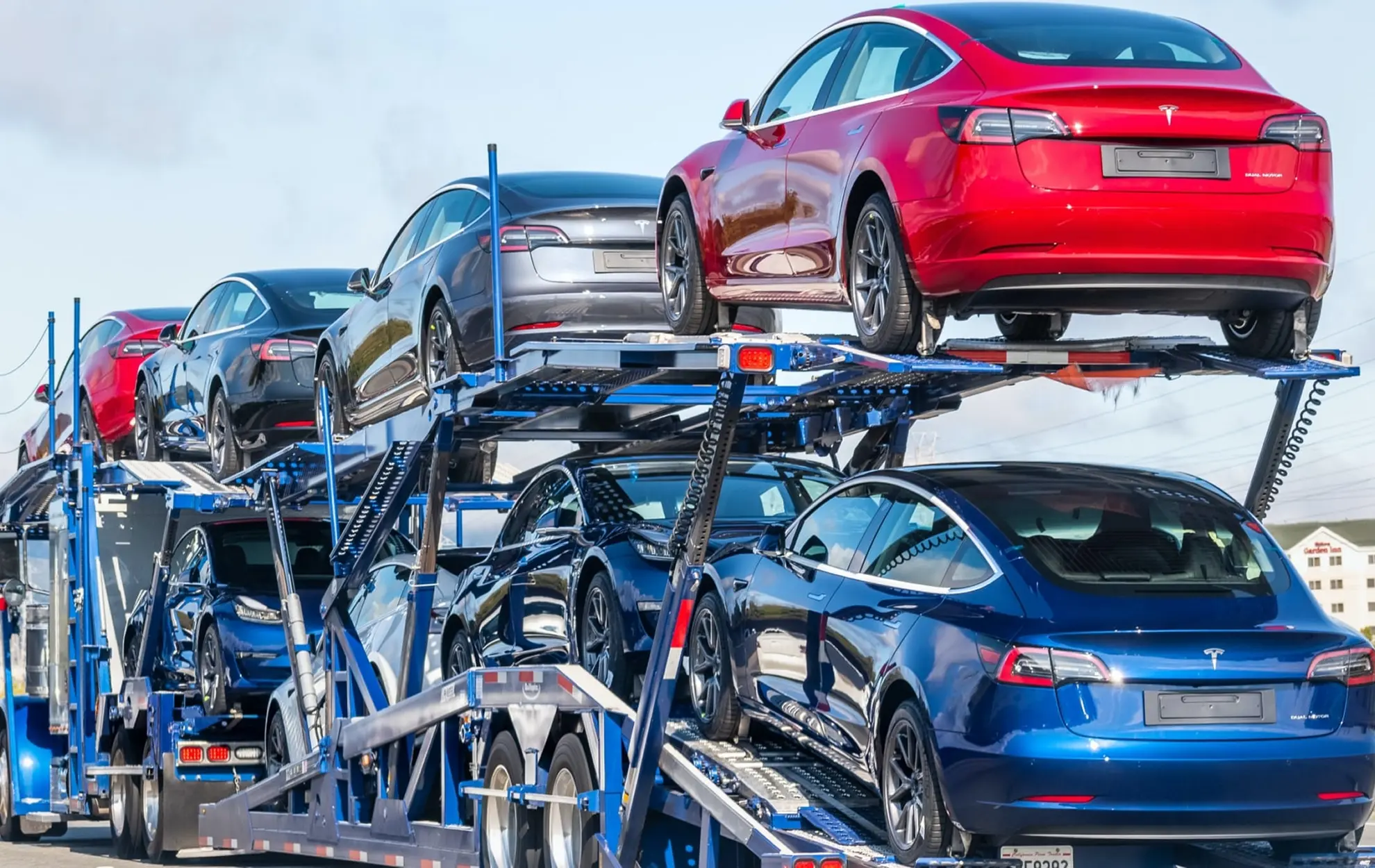
WASHINGTON TO LOS ANGELES

Auto Transport from Washington to Los Angeles

Planning to ship your car from Washington, DC to Los Angeles, CA? This cross-country auto transport route spans nearly 2,700 miles and requires careful planning. Whether you're relocating for work, moving to sunny California, or sending a vehicle to family, understanding car shipping costs, timelines, and best practices ensures a smooth experience. Let's break down everything you need to know about this popular coast-to-coast route.

Average Distance, Time
and Cost

AVG DISTANCE
2,669 mi
AVG TRANSIT TIME
4-9 days
AVG COST
$1175 - $1400
REAL-TIME PRICING DATA

Recent Washington, DC to Los Angeles, CA Shipments

Actual car shipping prices from the last 30 days for routes between Washington, DC and Los Angeles, CA. These represent real customer shipments handled by Sakaem Logistics' verified carrier network.

Live Pricing from Completed Routes Updated: June 2026
Origin Destination Total Cost Trailer Vehicle
Arlington, VA Redondo Beach, CA 875 Open Car
Arlington, VA Redondo Beach, CA 825 Open Car
Silver Spring, MD Whittier, CA 975 Open SUV
Arlington, VA Los Angeles, CA 925 Open Car
Hunter Mill District, VA Central La, CA 975 Open SUV
Fairfax, VA Central La, CA 900 Open Car
Manassas, VA Los Angeles, CA 825 Open Car
Arlington, VA Los Angeles, CA 1000 Open SUV
Fredericksburg, VA Pasadena, CA 875 Open Car
Fx Station, VA Mission Viejo, CA 900 Open Car
WASHINGTON, DC TO LOS ANGELES, CA CAR SHIPPING

Key Takeaways From This Article

TESTIMONIALS

What SAKAEM's Customers are Saying

Google logo
Sakaem Logistics transported my son's Acura from Los Angeles, CA to Waco, Texas in 5 days. Tim, who drove the transport was professional and courteous and kept communications prior to pickup and close to delivery time. Everything went smoothly with no issues. Price was competitive with other firms. I will use Sakaem again and highly recommend them for your transport needs.
Joon Lee
Aug 2022
Google logo
I had Sakaem Logistics move my daughters car from Washington to Florida. I was very happy with their attention to detail and they stayed in touch with me the entire time! Highly recommend for professional service!
Sheila Friesner
Mar 2022
Google logo
Omg!!!! I had the most amazing experience!! From start to finish they were amazing great communication answered every and any questions I had! Price was perfect and no hassle. Vehicle arrived early. From PA to LA hassle free no worries Driver was very helpful and called and kept me informed. Thank you so very much for the freedom to not be stressed in the process!!
serena johns
Apr 2025
WHY CHOOSE SAKAEM?

Let us handle shipping your car from Washington to Los Angeles

EXPERIENCE

Trust the experts with your car relocation. Years of experience mean your vehicle is well taken care of. A strong track record of safety and service lets you relax, knowing your car is in good hands.

TRANSPARENCY

Understand what your quote includes and the quality you're paying for when shipping with a reputable carrier. Fair and transparent pricing lets you confidently book your car transport.

AFFORDABILITY

There are no upfront costs when booking. Don't pay for your service until you receive it. Book your shipment and pay your deposit when the truck is dispatched for pickup.

PERSONALIZED

Have a team ready to assist you with a smooth shipping process. Our team aims to customize your booking to fit your individual needs while addressing your questions and concerns.

COMPREHENSIVE

Enjoy one point of contact from start to finish for a hassle-free shipping process. Your dedicated advisor will expertly guide you through each step for easy auto transport.

INSURED

All carriers are vetted through FMCSA for valid insurance. Trust our experts to select a safe, highly vetted carrier and deliver your vehicle securely to its destination.

KEY FACTORS

Factors that Affect Washington, District of Columbia to Los Angeles, California Shipping Prices

Distance

The Washington, DC to Los Angeles route spans approximately 2,700 miles, making it one of the longer cross-country shipping routes. This distance directly impacts your shipping cost, as carriers factor in fuel expenses, driver wages, and vehicle wear across this coast-to-coast journey. However, because this is a popular transcontinental route, you'll benefit from competitive pricing compared to shorter, less-traveled routes.

Season

Summer months (June-August) and the winter holiday period see the highest demand for this route, which drives up prices. Students moving, families relocating, and snowbirds heading west all compete for carrier space. For the best rates, consider shipping during spring (March-May) or fall (September-November). You could save 20-30% by avoiding peak seasons.

Route

The DC to LA corridor follows major interstate highways (primarily I-70 and I-40), which is great news for your wallet. This well-traveled route means carriers make regular trips between these cities, keeping costs reasonable. Major highways also mean faster transit times and easier carrier availability compared to routes through remote areas. You're shipping along one of America's busiest commercial corridors.

Vehicle Type

Standard sedans are the most affordable to ship on this route. SUVs and trucks cost more because they take up extra space on the carrier and burn more fuel due to added weight. Oversized vehicles like lifted trucks may require special arrangements or won't fit on standard trailers at all. If you're shipping a compact car or sedan, you'll get the most competitive rates.

Traffic Considerations

Major traffic periods affect both cost and timing. The week before Thanksgiving, Christmas, and New Year's can add delays and expenses as highways become congested. Summer weekends also see heavy traffic on cross-country routes. If possible, schedule your shipment for mid-week during off-peak months. This helps carriers maintain their schedules and can result in better pricing for you.

Carrier Availability

The DC to LA route generally has good carrier availability year-round due to its popularity. During off-peak seasons (spring and fall), you might secure a carrier within 2-5 days. During peak summer or winter holidays, expect to wait 1-2 weeks or longer. Book early during busy seasons—at least 2-3 weeks in advance—to lock in better rates and ensure pickup dates that work for your schedule.

Population Density

Both Washington, DC and Los Angeles are major metropolitan areas with excellent access for car carriers, which works in your favor. However, if you're shipping to downtown LA or a congested neighborhood, consider arranging pickup or delivery at a more accessible suburb. Large carriers struggle with narrow streets and parking restrictions in dense urban areas. Meeting your carrier in a suburb with easy highway access can save you $50-150 and prevent scheduling headaches.

Tips & Tricks for Saving on Vehicle Shipping

1

Off Season Savings

Save money by avoiding peak shipping seasons like summer and snowbird migration periods. Scheduling your Washington, DC to Los Angeles car transport just a few weeks outside busy times can significantly reduce costs and improve carrier availability.

2

Flexible pickup & delivery

Meet your carrier near major highways instead of residential streets to cut costs. Large transport trucks navigate easier on interstates like I-95 or I-10, reducing driver time and hassle, which translates to lower rates for your shipment.

3

Hub city advantages

Choose pickup and delivery spots near major highway intersections in both cities. Locations with easy access to I-495, I-95, I-10, and I-405 attract more carriers, creating competition that drives down your shipping price significantly.

4

Weather considerations

Avoid shipping during extreme weather to reduce costs and delays. Winter ice storms can slow cross-country routes, while summer heat may require carriers to adjust schedules. Mild spring and fall months offer smoother, more affordable transport.

5

Booking in advance

Reserve your car shipment weeks ahead to secure better prices and availability. Last-minute bookings limit your carrier options and often come with premium charges. Early planning means more choices and significant cost savings.

6

Open carrier transport

Open trailers cost less than enclosed options and work perfectly for most vehicles. Your car ships safely exposed to weather, just like driving cross-country. Reserve enclosed trailers for luxury, classic, or high-value vehicles needing extra protection.

7

Flexible dates

Offer carriers a five-day pickup and delivery window to unlock lower rates. Flexible scheduling lets drivers optimize their routes and fill trucks efficiently, passing savings directly to you while ensuring reliable service.

8

Compare quotes

Get multiple quotes from reputable auto transport companies to find the best deal for your Washington to Los Angeles car shipping needs. We will match any competitor's quote.

Moving Insights

Things to Know About Moving from Washington to Los Angeles

Professional auto transport service for city-to-city moves

When planning auto transport from Washington, DC to Los Angeles, CA, understanding the registration and regulatory differences is crucial. California requires new residents to register their vehicles within 20 days of establishing residency [CA DMV]. You'll need to pass a smog inspection, as California has strict emissions standards that may exceed DC requirements [CARB]. Vehicles must meet California's emission standards, and some older models may need modifications. Additionally, California limits window tinting to 70% light transmission on front side windows, which is more restrictive than DC's regulations [CA DMV].

Insurance requirements also differ significantly. California mandates minimum liability coverage of 15/30/5, while DC requires 25/50/10 [CA DMV]. Before arranging car relocation, contact insurers about coverage changes, as California's rates and requirements may affect your premiums. For vehicle preparation during car shipping, remove winter tires and cold-weather accessories since Los Angeles has a mild climate year-round. Review car shipping documents to ensure you have proper registration and title paperwork ready for both transport and California DMV registration upon arrival.

For more local details, see our full Los Angeles car shipping guide or browse car shipping services across California.

FREQUENTLY ASKED QUESTIONS

Washington, District of Columbia to Los Angeles, California Vehicle Transport FAQs

Our team has been in the car shipping industry for a long time. We worked for some of the largest brokers and knew there was a better way to do things.

So we set out to create a company that would be different. We want to walk you through how the process works and we guarantee to match any price you hear from a competitor.

We're a scrappy team that looks forward to earning your business.

Preparing your vehicle for the cross-country journey from Washington, DC to Los Angeles, CA is straightforward but important. Here's what you need to do:

Clean your vehicle: Wash the exterior thoroughly so you can document any existing damage with photos. A clean car also makes the carrier's inspection easier.

Document the condition: Take detailed photos of all sides of your vehicle, including close-ups of any scratches, dents, or dings. These photos serve as proof of pre-existing condition.

Remove personal items: Carriers are not insured for personal belongings left inside the vehicle. Remove all valuables, toll passes, GPS devices, and fragile items. You can leave up to 100 pounds of items in the trunk, but check with your carrier first.

Check fluids and battery: Ensure your car has enough fuel (about a quarter tank) and that the battery is fully charged. Fix any fluid leaks before shipping.

Disable alarms: Turn off or disable your car alarm to prevent it from going off during transport.

Secure or remove accessories: Remove or secure any exterior accessories like bike racks, spoilers, or antennas that could be damaged. Retract side mirrors if possible.

Provide a working key: Make sure you have a key available for the carrier to load and unload your vehicle.

For more comprehensive preparation tips, check out our Cross Country Vehicle Transport Guide. You'll also want to review your car shipping documents and understand what paperwork you'll need at pickup and delivery.

Yes, your vehicle is fully insured during transport from Washington, DC to Los Angeles, CA. At Sakaem Logistics, we require all our carriers to maintain a minimum of $1,000,000 in liability insurance and $100,000 in cargo insurance. Before your cross-country shipment begins, we verify that the carrier's insurance policy is current, valid, and in good standing.

This coverage protects your vehicle against damage caused by accidents, collisions, or other incidents during the 2,700+ mile journey from the nation's capital to Southern California. The carrier's insurance is primary, meaning it covers your vehicle first in the unlikely event of damage during transit.

We recommend reviewing your carrier's insurance certificate before shipping and understanding what's covered. For more detailed information about coverage requirements and what to expect, check out our guide on vehicle shipping insurance. You can also review the car shipping documents you'll receive, which include the carrier's insurance details and your bill of lading.

We recommend scheduling your pickup service from Washington, DC at least 1-2 weeks in advance, though booking even earlier is ideal. The more lead time you provide, the better chance carriers have to plan efficient routes and bundle your vehicle with other shipments heading west, which can help keep your costs down.

If you're on a tight timeline, we do offer Expedited Car Shipping Services that can arrange faster pickup, though this typically comes at a premium price. For standard cross-country transport from DC to Los Angeles, giving yourself 2-3 weeks allows for the most flexibility and competitive pricing.

Keep in mind that scheduling early also gives you time to prepare your vehicle, gather necessary Car Shipping Documents, and coordinate logistics on both ends of your shipment. During peak moving seasons (summer months and holidays), even more advance notice is helpful as carrier availability becomes more limited.

We accept all forms of payment. We can arrange credit cards or arrange for you to pay the carrier directly through cash/certified check. We even accept payment via Cash/Zelle/Venmo.

Your shipment with SAKAEM includes up to 100 lbs of personal items or household goods stored in the trunk area or secured below the window line. If your shipment includes ocean transit (Hawaii shipments), your vehicle must be emptied of all items. SAKAEM and your assigned carrier are not responsible for personal items left inside your vehicle. See our car shipping guide for more details.

A designated (adult) must be present at pickup and delivery. This designated person plays an important role in the shipping process including documenting the state of the vehicle and signing the Bill of Lading, which acts as a receipt of the vehicle's condition.

When shipping your car from Washington, DC to Los Angeles, CA, you'll choose between two main transport methods: open and enclosed auto transport.

Open auto transport is the most common and affordable option. Your vehicle is loaded onto an open-air carrier (the same type you see hauling cars on highways). While your car is exposed to weather and road debris during the 2,600+ mile journey, this method is safe for most vehicles and costs significantly less. The vast majority of cars shipped across the country use open transport without any issues.

Enclosed auto transport provides full protection inside a covered trailer, shielding your vehicle from weather, dust, and road debris. This premium service typically costs 50-60% more than open transport. It's the smart choice for luxury vehicles, classic cars, exotic sports cars, or any vehicle with custom paint or modifications where even minor exposure to the elements is a concern.

For most everyday vehicles making the cross-country trip, open transport offers excellent value and reliability. However, if you're shipping a high-value or collectible vehicle, the extra investment in enclosed transport provides peace of mind. To compare pricing for both options on your specific route, you can get multiple quotes and see the actual cost difference for your situation.

Yes! We offer comprehensive door-to-door auto transport service from Washington, DC to Los Angeles, CA. This is our standard service and the most convenient option for shipping your vehicle across the country.

When you book your shipment, we'll ask for your preferred pickup address in Washington, DC and your delivery address in Los Angeles. Our assigned carrier will do everything possible to pick up and deliver your vehicle directly at these locations—whether that's your home, office, or another address you specify.

In some cases, large car carriers may face challenges accessing certain streets due to low-hanging trees, narrow roads, tight turns, or local parking restrictions. If your location isn't accessible for an 80-foot carrier, don't worry—the driver will work with you to arrange a convenient nearby meeting spot, such as a shopping center parking lot, gas station, or other safe, accessible area. This is completely normal and ensures your vehicle is handled safely throughout the transport process.

This cross-country route from the nation's capital to Southern California is one we handle regularly, and our carriers are experienced with both urban pickup and delivery logistics. For more details about what to expect when shipping your vehicle across the country, check out our Cross Country Vehicle Transport Guide.

We transport sedans, SUVs, pickup trucks, electric vehicles, vans and motorcycles across all 48 continental states + Hawaii. Our services even provide shipment for golf carts, ATVs, or RVs. We can ship vehicles that don't run so long as the vehicle can roll, brake, and steer, and that you can provide the carrier with a key to the vehicle. The only exception is boats, which we do not transport.

See our car shipping guide to learn more about car shipping!

Car Shipping 101

How Auto Transport Works

If you're new to car shipping from Washington, DC to Los Angeles, CA, understanding the process can help ensure a smooth experience. The auto transport industry has two main players: brokers and carriers. Brokers, like Sakaem Logistics, act as intermediaries who connect you with licensed carriers. Carriers are the companies that physically transport your vehicle on their trucks. Working with a reputable broker is essential because they vet carriers for proper licensing, insurance, and customer reviews, protecting you throughout the shipping process.


The car shipping process begins when you contact a broker like Sakaem Logistics to discuss your needs and receive a quote for your Washington, DC to Los Angeles, CA route. Once you agree to the terms, the broker searches their network to find a qualified carrier that matches your timeline and requirements. After a carrier is assigned, they'll contact you to schedule a pickup window. On pickup day, the carrier will inspect your vehicle, document its condition, and load it onto the transport truck. Your car will then travel cross-country to Los Angeles, which typically takes 4-9 days for this route. Upon delivery, the carrier will unload your vehicle, and you'll perform a final inspection before signing off. Payment is usually collected at pickup or delivery, depending on the company's policy.


Before your carrier arrives, there are several important preparation steps. Your vehicle must be in rolling condition, meaning it can move, brake, and steer. Keep your gas tank at about a quarter full—enough to drive on and off the truck, but not so much that it adds unnecessary weight. Remove all personal belongings from the interior, as carriers typically don't insure items left inside. If you're shipping a luxury or classic vehicle, consider requesting an enclosed trailer for added protection against weather and road debris. For more detailed guidance on preparing your vehicle, check out our Cross Country Vehicle Transport Guide.

Industry Resources: FMCSA Carrier Lookup · U.S. Department of Transportation · SAKAEM Logistics on BBB · NHTSA